
Michael Reynolds · 22 Jul 2026
Uncover Hidden Health Insights Through Interactive Learning Modules.
Many people go through life without fully grasping the subtle signals their bodies send every day. From minor energy dips to recurring mood shifts, these clues often get overlooked until they grow into bigger issues. Interactive learning modules change that by turning passive reading into active exploration, allowing users to test ideas, track patterns, and see results in real time.
Building Awareness One Step at a Time
Traditional health advice can feel distant and generic. In contrast, well-designed modules guide participants through scenarios tailored to their own habits. A user might begin by logging daily routines, then watch as the system highlights connections between sleep quality and afternoon focus. This process feels less like studying and more like solving a personal puzzle.
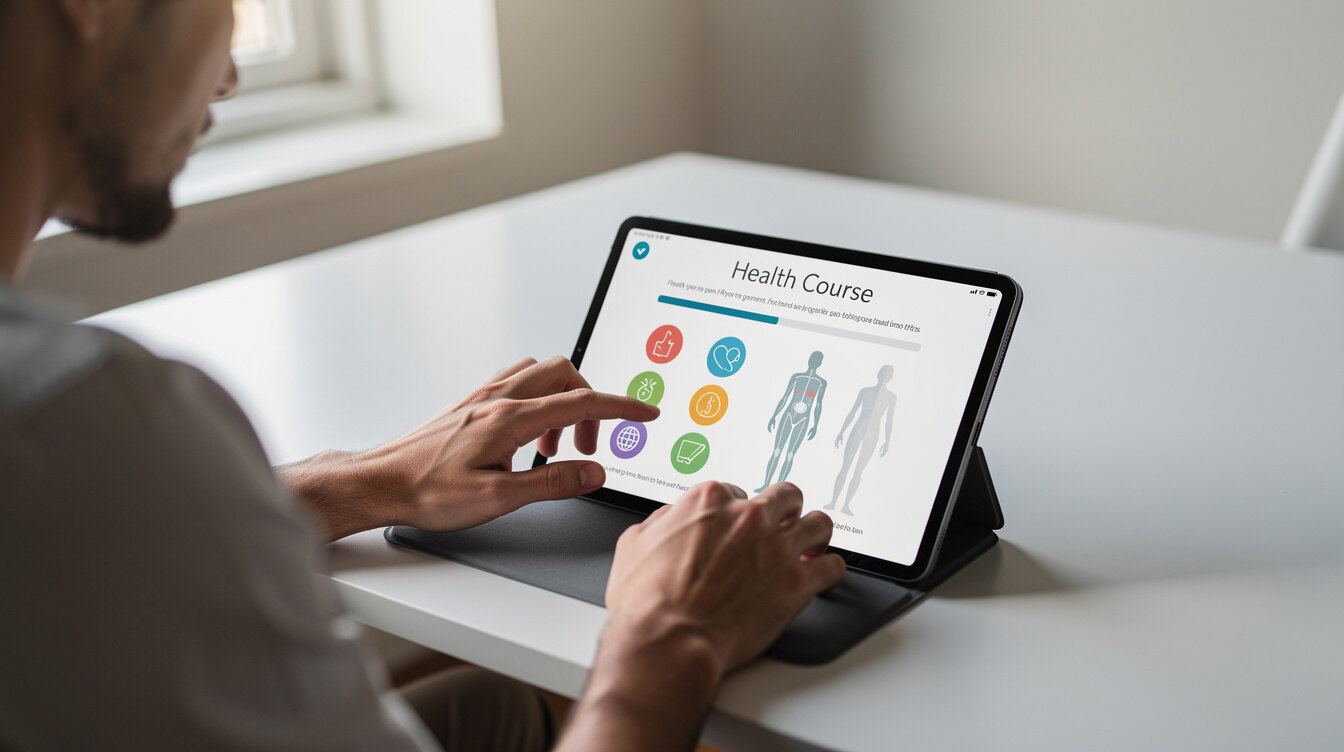
Over several weeks, small discoveries add up. Someone who assumed their headaches stemmed from stress might trace them instead to irregular meal timing. Another participant could notice that brief movement breaks improve concentration more than extra coffee ever did. These insights emerge naturally because the modules encourage repeated reflection rather than one-time memorization.
Practical Tools That Stick
Effective modules include short quizzes, drag-and-drop nutrient planners, and simple simulation games. Users adjust variables such as activity levels or portion sizes and immediately observe projected outcomes. The hands-on element makes abstract concepts concrete and memorable.
- Daily check-ins that prompt quick self-ratings on energy and mood
- Visual timelines showing how choices compound over days and weeks
- Peer discussion prompts that invite shared experiences without pressure
Because the experience is interactive, retention improves dramatically. People remember the patterns they uncovered themselves far longer than facts they simply read.
From Data to Daily Decisions
Once insights surface, the next challenge is turning them into lasting habits. Modules often end each section with micro-challenges that fit easily into busy schedules. A five-minute breathing exercise or a targeted grocery list suggestion can feel manageable when presented at the right moment.

Seeing my own numbers shift after small changes gave me more confidence than any generic plan ever had.
Progress tracking remains private yet encouraging. Graphs update automatically, celebrating consistency without judgment. Over time, users develop an intuitive sense of what works for their unique physiology.
Community Without Comparison
While individual exploration drives the core experience, optional community features allow learners to exchange ideas. Forums stay focused on strategies rather than results, reducing the risk of unhealthy competition. A participant might share how they adapted a module to accommodate shift work, helping others facing similar constraints.

This blend of personal discovery and light social support creates a sustainable learning environment. Users return not because they must, but because they genuinely want to keep uncovering new layers of understanding.
Long-Term Value Beyond the Screen
The real measure of success appears outside the modules. Participants report visiting doctors with clearer questions, choosing foods with greater intention, and recognizing early warning signs sooner. The interactive format builds health literacy that extends far past any single course.

Ultimately, these modules do not promise perfect health. They offer something more practical: a clearer map of the territory each person already inhabits. With that map in hand, better choices become easier and more natural over time.