Sarah Kline · 10 Aug 2026
Discover Why Health Education Matters More Than Ever Today.
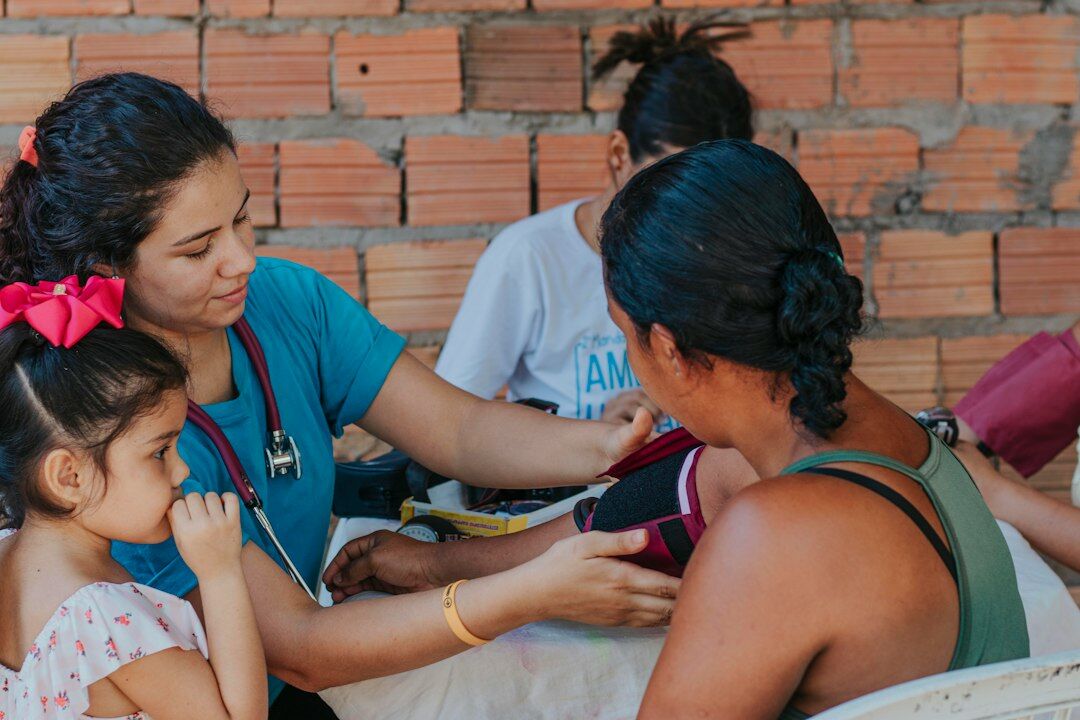
In a world where information flows endlessly from every screen and conversation, understanding health has become both more accessible and more confusing than ever before. People scroll through conflicting advice on diets, exercise routines, and wellness trends, often unsure which path actually leads to better living. This is exactly why structured health education stands out as a vital tool right now, helping cut through the noise with reliable knowledge that sticks.
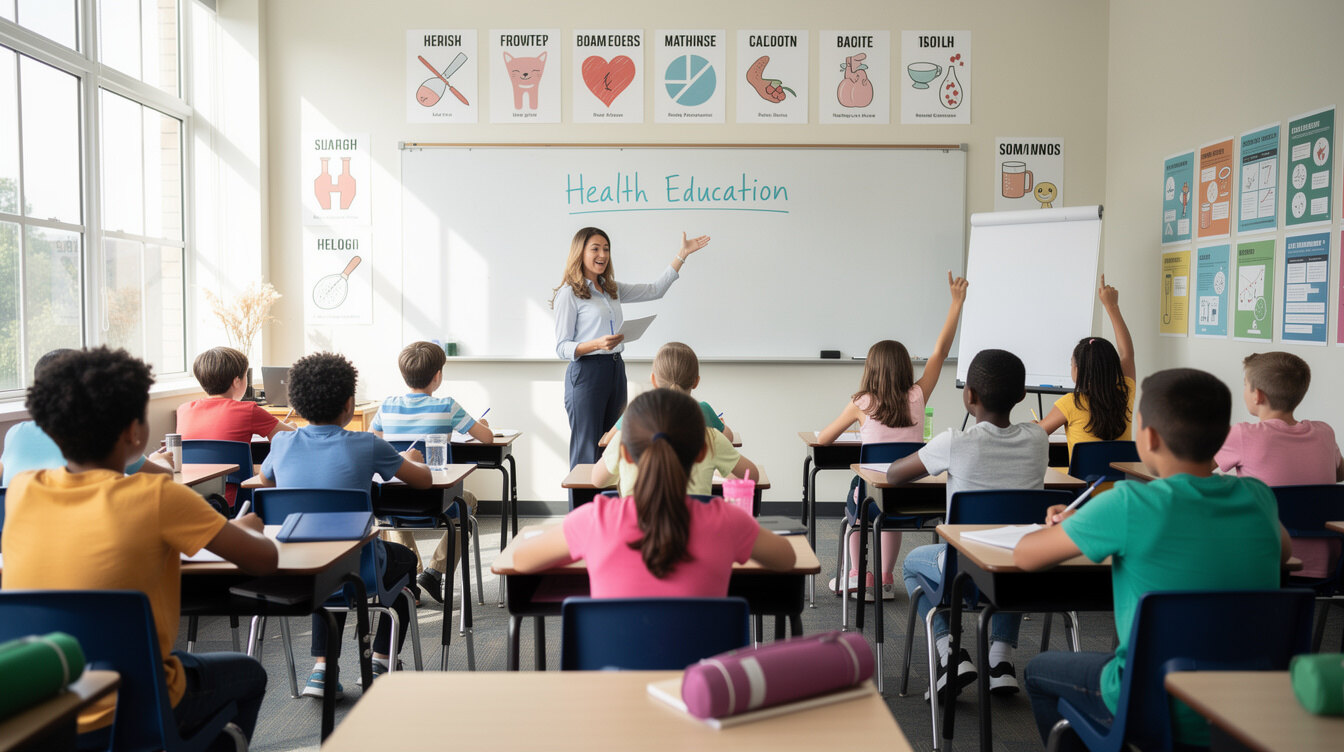
Think back to how the last few years reshaped daily life. The global health challenges highlighted gaps in basic understanding, from recognizing symptoms early to knowing how lifestyle choices affect long-term outcomes. Health education fills those gaps by teaching practical skills, like reading nutrition labels or managing stress before it builds up. It is not just about memorizing facts but building habits that last.
Building Strong Foundations Early
Schools and community programs that prioritize health courses see real differences in how young people approach their bodies and minds. Lessons on balanced eating, the importance of sleep, and recognizing mental health signals give students a head start. Parents often notice kids coming home with questions that spark family discussions, turning one lesson into broader awareness at home. This ripple effect strengthens entire households over time.
Addressing Modern Challenges
Today's environment brings unique pressures, including constant digital connectivity and fast food temptations around every corner. Health education tackles these head-on by exploring topics like screen time limits and mindful eating practices. Participants learn to identify marketing tricks that push unhealthy options and develop strategies to stay active despite busy schedules. The result feels empowering rather than restrictive.
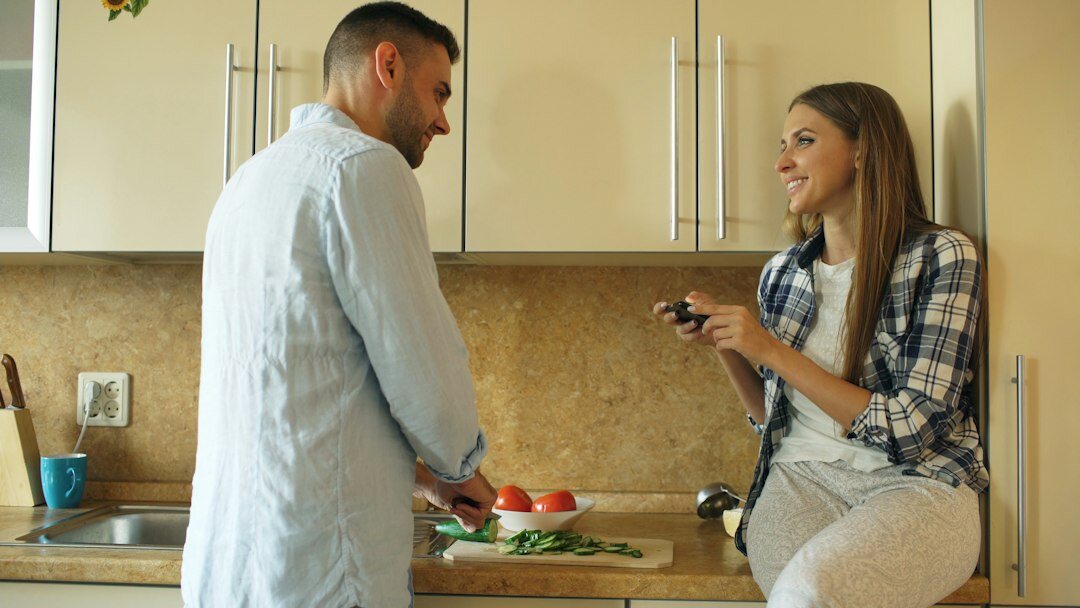
Workplaces have started incorporating similar programs too, recognizing that informed employees perform better and take fewer sick days. Sessions on ergonomics, quick stress relief techniques, and preventive care create a culture where health becomes a shared priority instead of an afterthought.
The Role of Ongoing Learning
Health education does not end after formal schooling. Online modules and local classes allow adults to refresh their knowledge as new research emerges on topics like gut health or sleep science. This continuous approach keeps information relevant and adaptable to personal circumstances, whether someone is managing a chronic condition or simply aiming for more energy throughout the week.
Knowledge about our bodies gives us the confidence to ask better questions and seek appropriate care when needed.
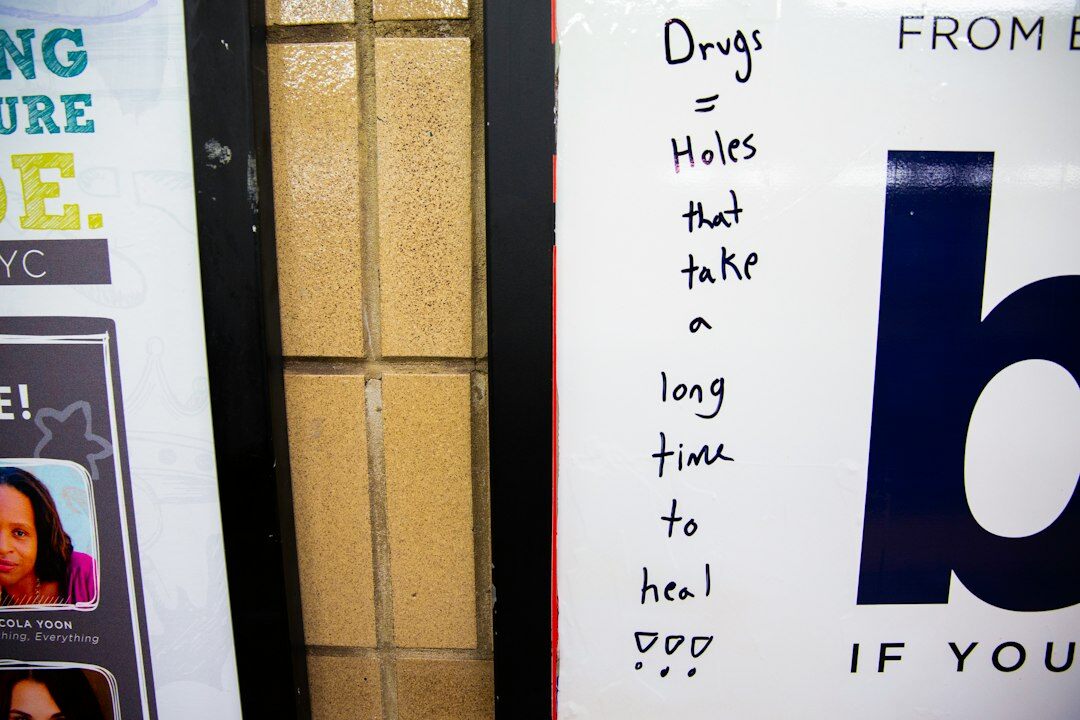
Communities benefit when residents understand vaccination benefits, environmental impacts on health, and ways to support one another during tough times. Shared learning reduces stigma around issues like anxiety or addiction, opening doors to earlier support and better recovery rates.
Ultimately, investing in health education equips everyone with tools for a more vibrant life. It shifts focus from reacting to problems toward preventing them, creating a foundation of resilience that benefits individuals, families, and society as a whole.